Greg Louganis
Acting
Biography
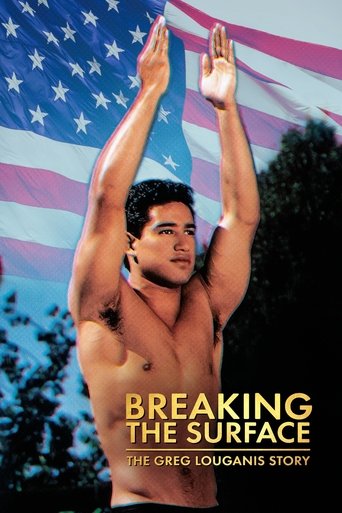
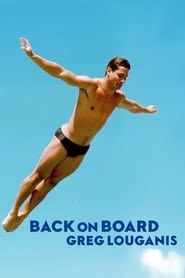
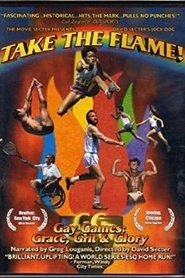
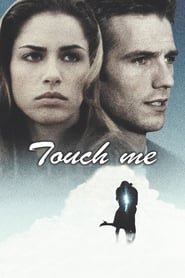
Gregory Efthimios "Greg" Louganis (/luːˈɡeɪnɪs/; born January 29, 1960) is an American Olympic diver, LGBT activist, and author who won gold medals at the 1984 and 1988 Summer Olympics, on both the springboard and platform. He is the only male and the second diver in Olympic history to sweep the diving events in consecutive Olympic Games. He has been called both "the greatest American diver" and "probably the greatest diver in history". Louganis had been a theatre major in college, and in the late 1980s and 1990s, Louganis acted in several in movies, including Touch Me in 1997. In 1993, he played the role of Darius in an Off-Broadway production of the play Jeffrey. In 1995, he starred for six weeks in the Off-Broadway production of Dan Butler's one-man-show about gay life, The Only Thing Worse You Could Have Told Me, taking over from Butler himself. In the play, he portrayed 14 different characters. In 2008 he appeared in the film Watercolors, in the role of Coach Brown, a swimming instructor in a high school. In 2012, he appeared in the penultimate episode of the second season of IFC's comedy Portlandia, playing himself.